Smith Machine or Power Rack
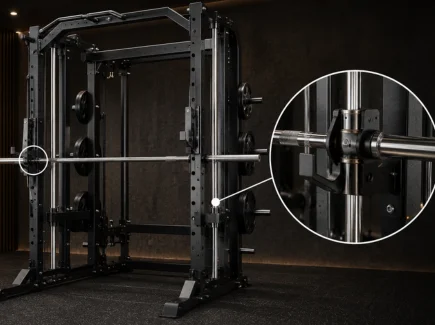
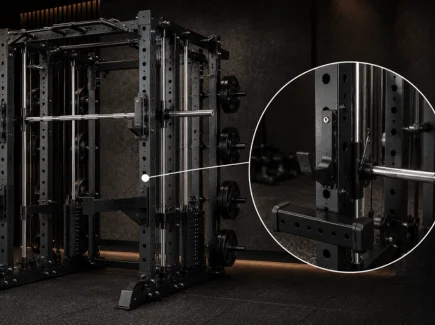
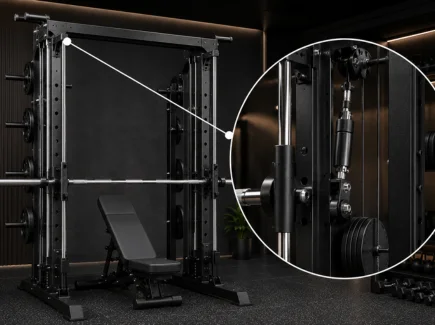
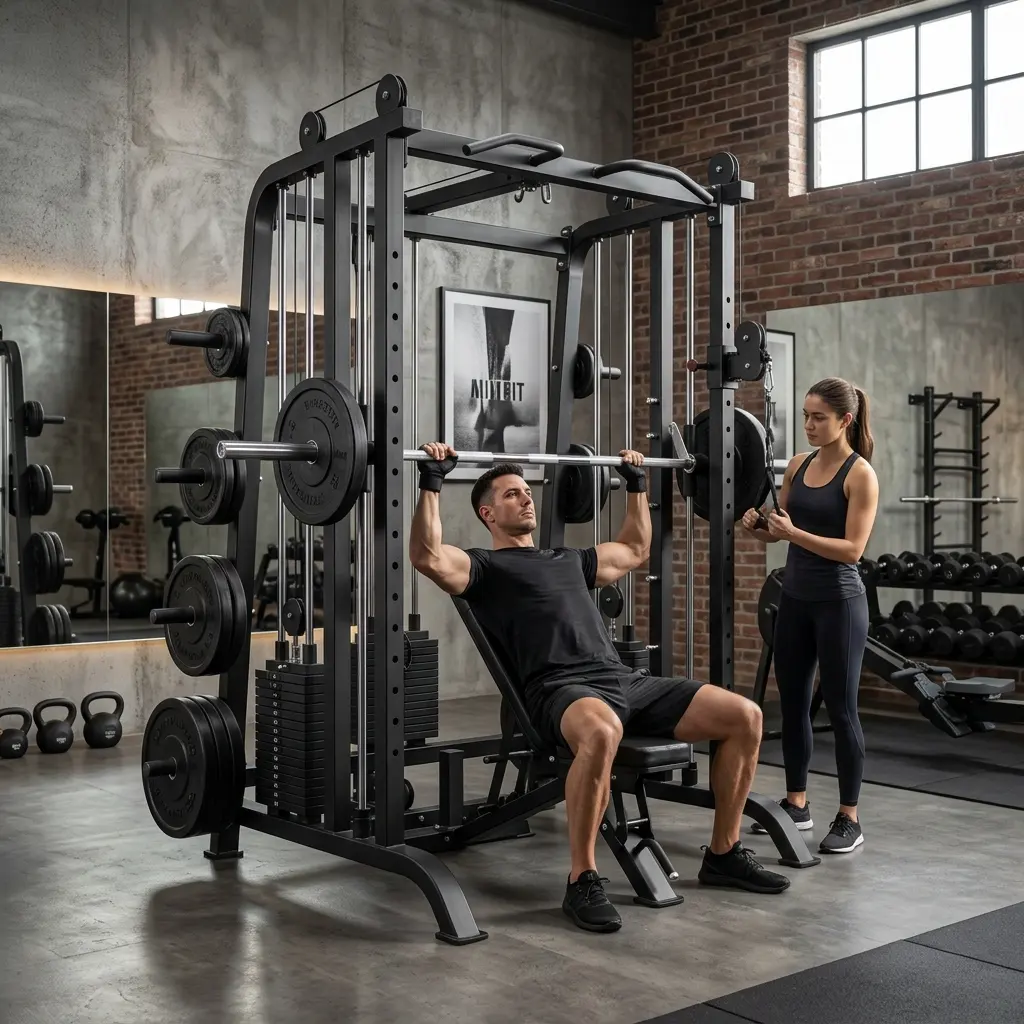
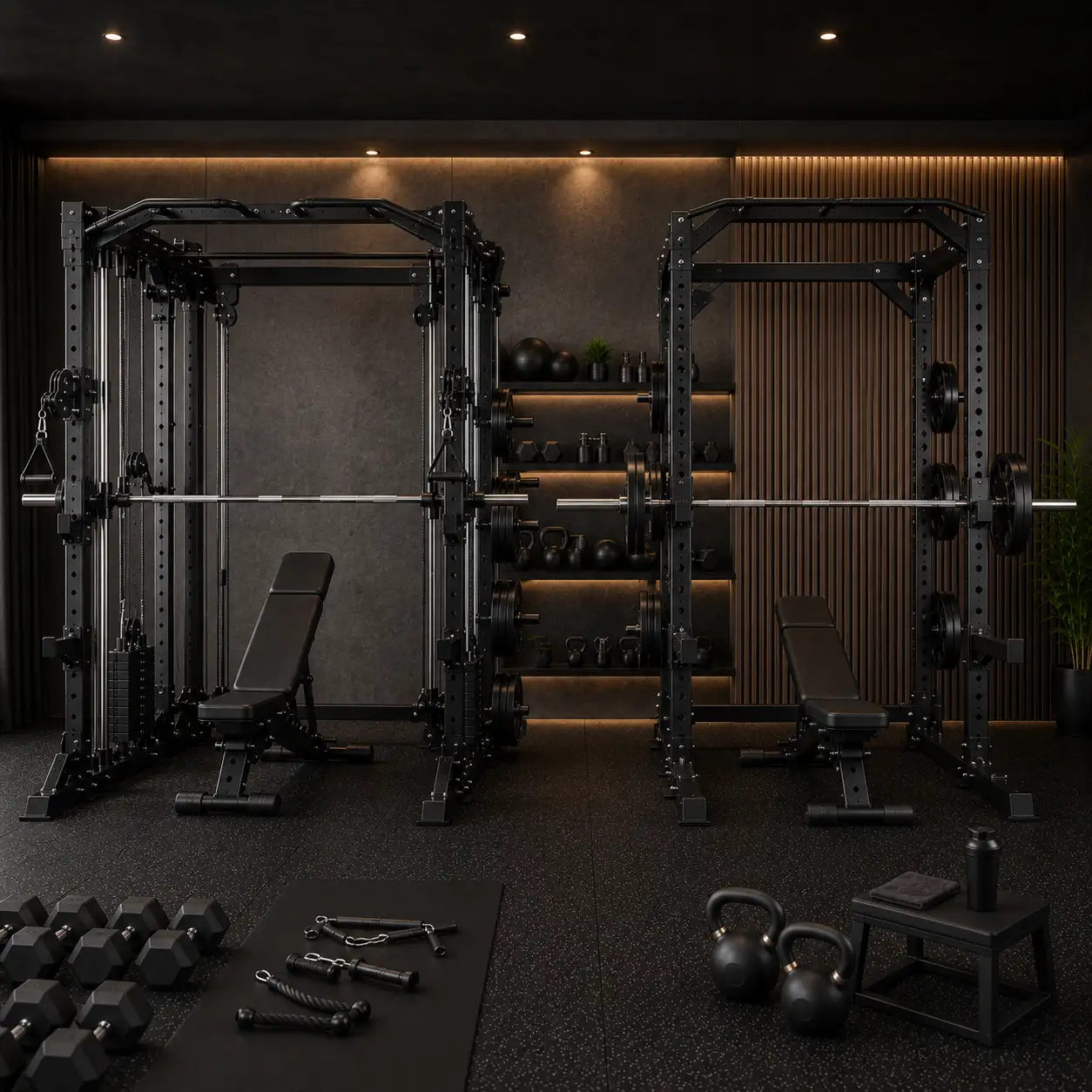
This comes up in almost every comparison, and there’s no clean winner. A power rack holds a free barbell, which means more natural movement and more stabilizer engagement, plus a more open frame that generally handles pull-ups better. A Smith machine trades some of that freedom for a guided, consistent bar path and built-in safety. If training alone and minimizing risk on heavy lifts is the priority, the Smith machine usually wins that comparison. If stabilizer development and a more traditional barbell feel matter more, a power rack tends to be the better call.
Matching a Machine to Your Situation
Someone building a first home gym generally does well starting with a basic machine and a bench, letting the guided system build confidence with compound lifts before adding more complexity. That same setup often works for intermediate lifters too, with a functional trainer as a reasonable addition once a routine is established and cable work starts feeling necessary rather than optional.Lifters focused on traditional strength training, chasing the stabilizer benefits of free weights, often get more out of a power rack as the primary piece, keeping a Smith machine as a secondary tool for specific lifts where the guided path genuinely helps.
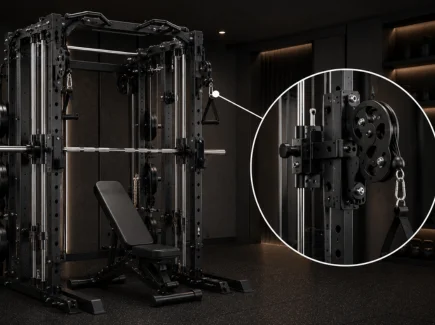
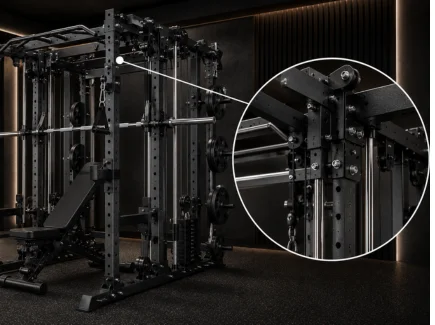
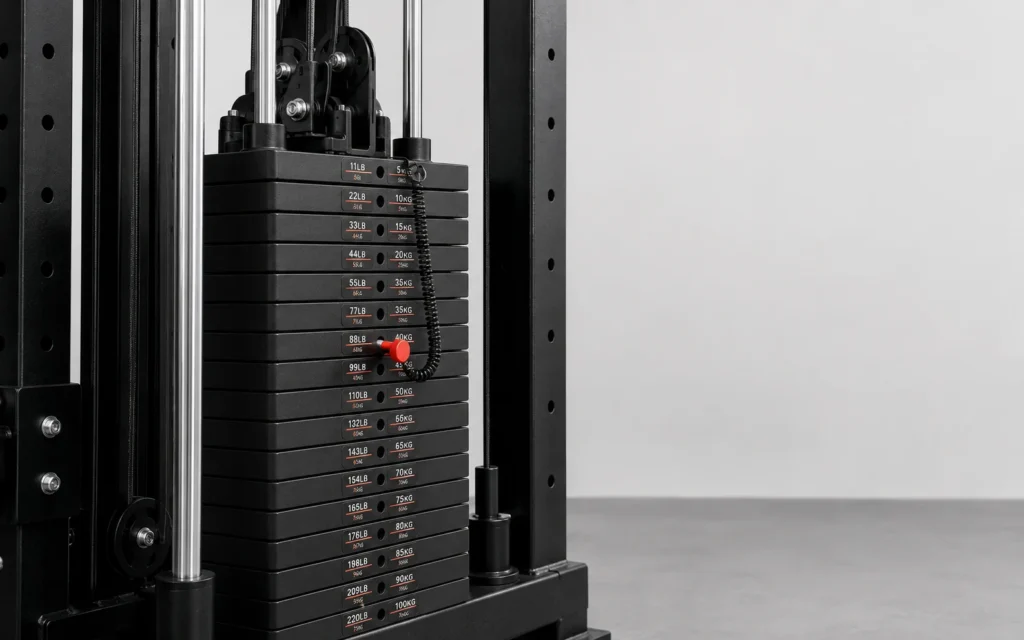
Garage and basement setups with a fixed amount of space tend to lean toward combined systems, since one frame covering a rack, Smith machine, and cable station avoids needing separate areas for each. That only pays off if the extra functionality gets used regularly, buying an all-in-one system and only ever touching the Smith bar defeats the purpose. Solo lifters, regardless of experience level, tend to get the most direct value out of this entire category, since the built-in safety system is really the reason it exists.