Grip Training at Home: Exercises, Tools and a Simple Routine
Build grip and forearm strength at home: the exercises, sets and reps that work, the two tools that cover them, and one simple routine to follow.
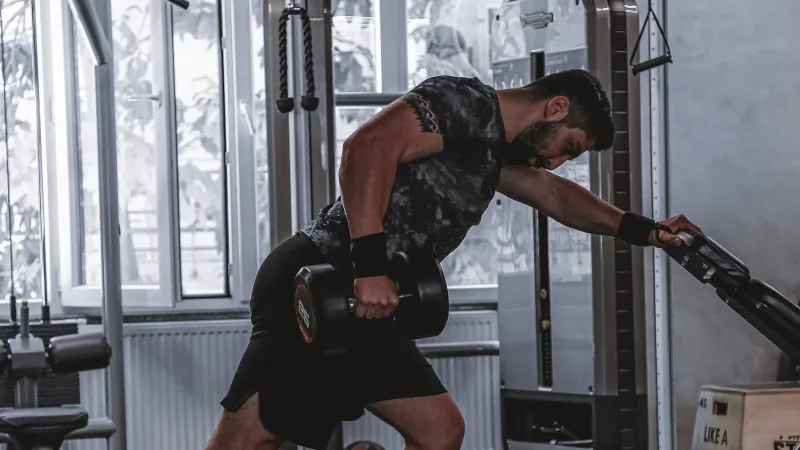
Your grip is the first thing to give out. The set ends not because your back or legs are done, but because the bar — or the dumbbell — starts sliding out of your hands. Rows, deadlifts, pull-ups and carries all pass through your fingers, and grip is the easiest strength to build at home: the tools fit in a drawer, the sessions take ten minutes, and the progress shows up in every pulling exercise you do. Here is what to train, what to train it with, and a routine that puts it together.
What grip training actually covers
"Grip" is three things. Crushing strength is squeezing — closing your hand against resistance. Support strength is holding on — keeping your fingers closed around a heavy handle for time. Wrist and forearm strength is rotation and control — the muscles that stabilise your wrist while the other two work. A complete home routine touches all three, which is why it pairs a squeeze tool with a rotation tool from the gym accessories range.
The two tools
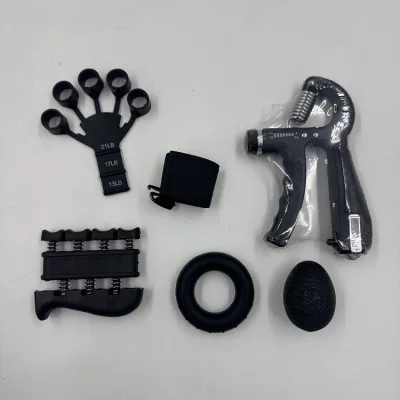
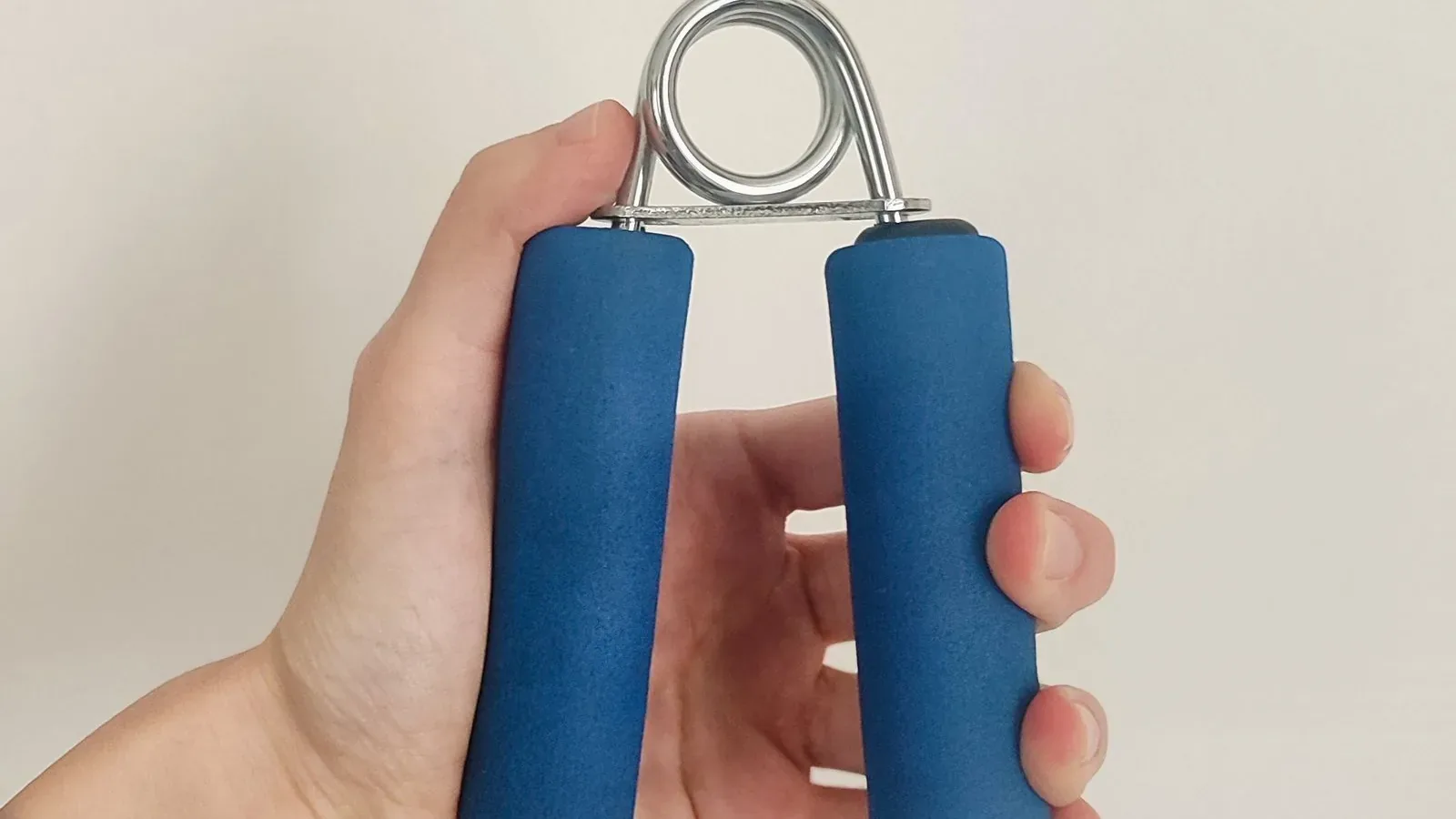
The Counting Grip Strength Trainer with Finger Exerciser ($19) covers crushing strength. Squeeze, release, and the built-in counter keeps score, so progress is a number you can watch climb. It also includes a finger exerciser that trains each finger on its own — the detail most grip tools skip — and it is small enough to live in a desk drawer or gym bag and be used at your desk, on the sofa or between sets.
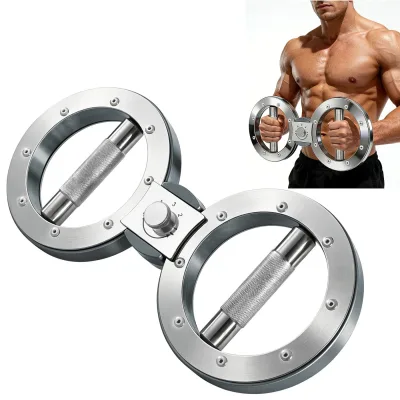
The Forearm Rotator and Grip Strength Trainer, Adjustable ($59) covers the wrist and forearm side. It is a twin-handle trainer with adjustable resistance from 8 to 15 lb: twist the handles against the resistance to work wrist rotation and grip together, and raise the resistance as you get stronger. Stronger forearms mean you hold heavier weights for longer, and healthier wrists handle everyday tasks with less strain.
The exercises, with sets and reps
| Exercise | Tool | Sets × reps | Trains |
|---|---|---|---|
| Full squeezes | Counting grip trainer | 3 × 15 each hand | Crushing strength |
| Slow squeezes (3 seconds down) | Counting grip trainer | 2 × 10 each hand | Control, time under tension |
| Finger presses | Finger exerciser | 2 × 15 each finger | Individual finger strength, mobility |
| Inward rotations | Forearm rotator | 3 × 15 | Wrist rotation, forearms |
| Outward rotations | Forearm rotator | 3 × 15 | Wrist rotation, forearms |
| Static hold | Forearm rotator | 3 × 20 seconds | Support strength, endurance |
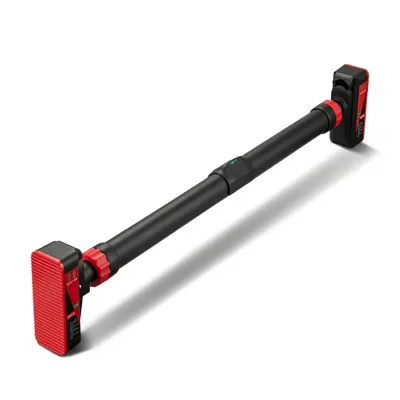
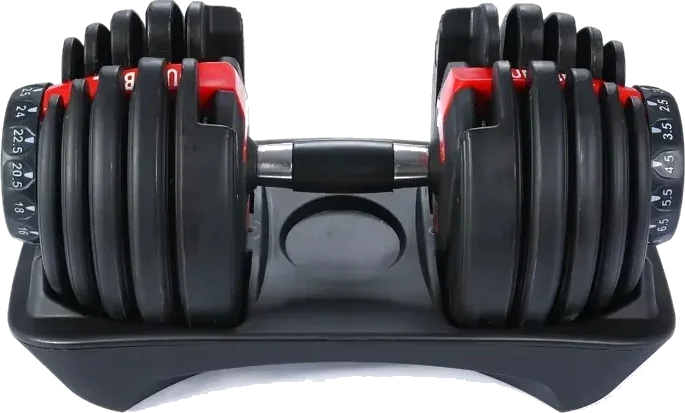
Two free additions round the routine out. A dead hang from the Adjustable Doorway Pull-Up Bar with Level Gauge — hang with straight arms for time — is the purest support-strength test there is. And a farmer's carry with your heaviest adjustable dumbbells, walked for 30 to 60 seconds per set, trains grip exactly the way heavy lifting uses it.
One simple routine
Run this two or three times a week, on lifting days or on its own — it takes about ten minutes. Start the rotator at its lowest resistance, move slowly through every rep, and keep your elbows close to your body during rotations. Rest a day between sessions so your forearms can recover; they are small muscles, and they respond to frequency and patience, not punishment.
- Full squeezes — 3 × 15 each hand (counting grip trainer)
- Slow squeezes — 2 × 10 each hand, 3 seconds on the way down
- Inward rotations — 3 × 15 (forearm rotator)
- Outward rotations — 3 × 15 (forearm rotator)
- Static hold — 3 × 20 seconds
- Finger presses — 2 × 15 each finger, to finish
Progress it the simple way: when the last set feels comfortable two sessions in a row, add reps first, then raise the rotator's resistance a step toward its 15 lb ceiling. The counter on the grip trainer makes the first kind of progress impossible to miss.
Three mistakes that stall grip progress
Training to failure every session. Grip responds to regular, sub-maximal work. If every session ends with your forearms fully pumped and sore for two days, you will train less often — and frequency is what builds this strength.
Skipping the weak hand. Everyone's non-dominant hand lags. Match its reps to the strong hand rather than letting the gap grow, and your carries and rows stay balanced instead of twisting toward the stronger side.
Ignoring the fingers. A strong crush with untrained individual fingers still slips on wide handles and awkward objects. The finger presses at the end of the routine take two minutes and close that gap — which is exactly why the counting trainer ships with the finger exerciser alongside it.
Start squeezing
Ten minutes, two or three times a week, with tools that live in a drawer — grip is the cheapest strength you will ever build, and every other lift you own collects the benefit. Browse the gym accessories to pick your starting tool, and let the counter keep score.
Questions & answers
How often should I train grip?
Two or three short sessions a week is enough for most people. Forearms recover quickly but not instantly — rest a day between sessions, as the trainer's own guidance suggests, and let performance, not soreness, tell you when to add resistance.
Will grip training help my deadlifts and rows?
Yes — that is its main job for lifters. Grip is often the first thing to give out on rows, deadlifts, pull-ups and carries; stronger hands and forearms let the bigger muscles finish the set instead of your fingers ending it early.
Do I need both tools, or is one enough?
One is a good start; the two cover different work. The counting grip trainer trains squeezing and individual fingers. The forearm rotator trains wrist rotation and forearm strength with adjustable resistance from 8 to 15 lb. Together they cover crushing, support and rotation — the full picture.
Can I train grip every day?
Light finger work and easy squeezes, yes. The full routine, no — give it a rest day between sessions. Small muscles still need recovery to get stronger, and overuse shows up as cranky wrists and elbows.
When will I notice a difference?
The counter makes early progress visible within a few weeks: more reps at the same effort. The carry-over — dumbbells feeling secure through a full set of rows — typically follows as the numbers climb. Consistency over two or three weekly sessions beats any single hard session.
Is grip training useful if I don't lift heavy?
Yes. Grip and hand strength support climbing, racket sports, playing instruments, and everyday tasks from jars to carrying shopping. The counting trainer's finger exerciser also helps hand mobility, which is why it suits desk workers as much as lifters.